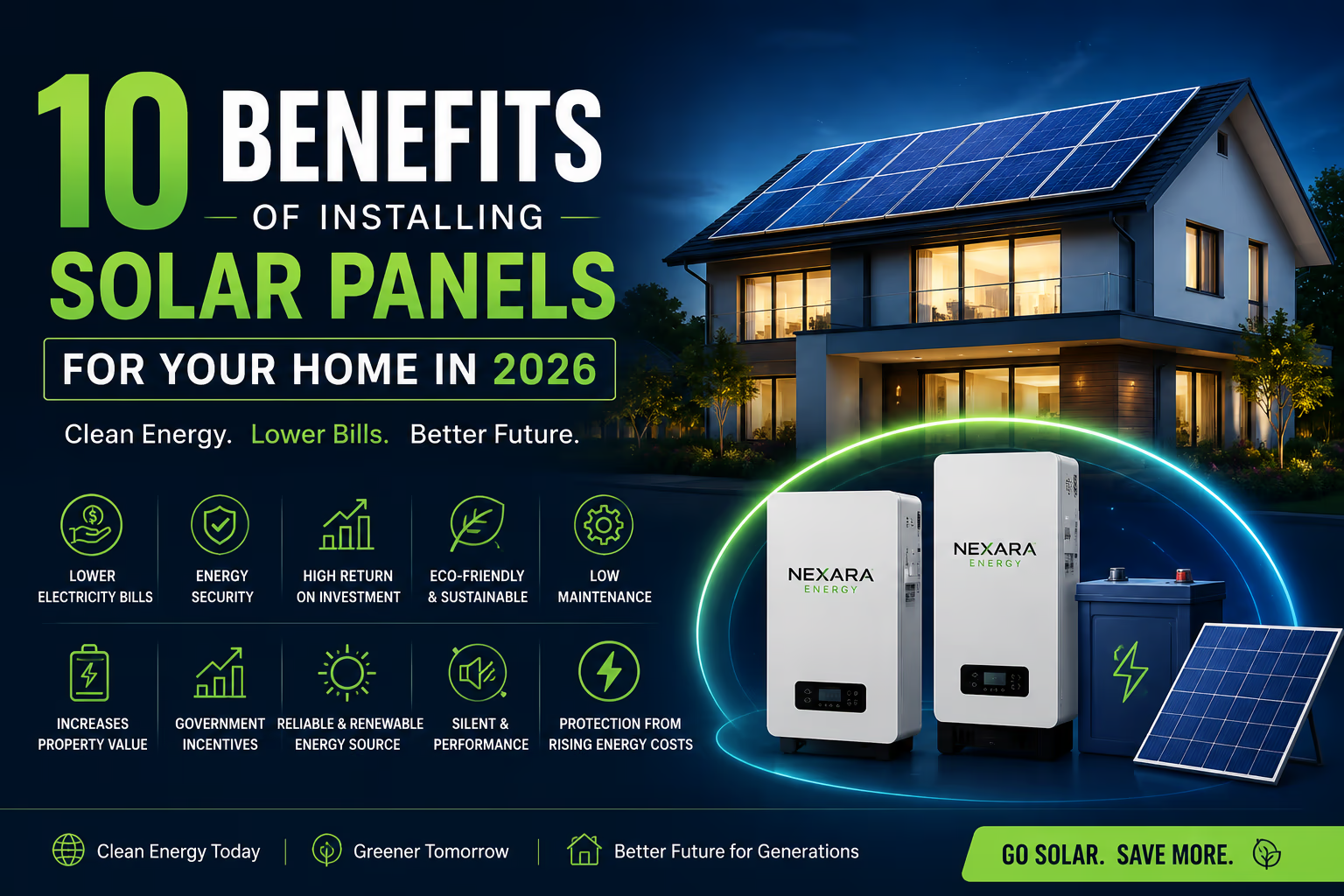
10 Benefits of Installing Solar Panels for Your Home in 2026
Our well-intentioned attempts
01 January 1970

With rising electricity prices and growing demand for clean energy, residential solar systems have become one of the smartest investments for homeowners. A well-designed solar system not only reduces your monthly electricity bills but also provides reliable backup power and increases your property's value.
In this complete guide, you'll learn how solar panels, inverters, and battery storage work together to create an efficient rooftop solar solution for your home.
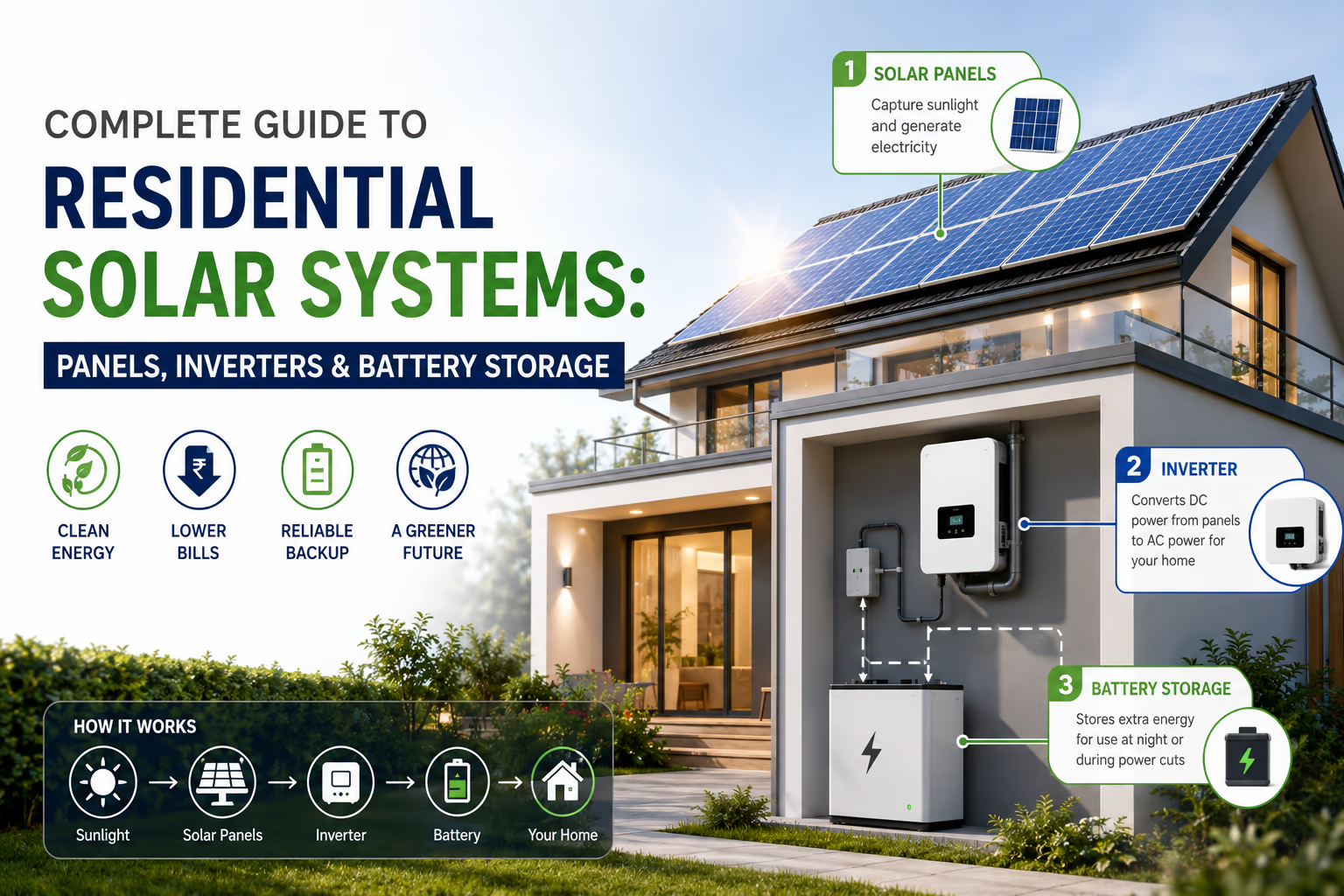
A residential solar system is a renewable energy solution that converts sunlight into electricity for household use. The system typically consists of solar panels, a solar inverter, mounting structures, electrical protection devices, and an optional battery storage unit.
During the day, solar panels generate electricity that powers your home. Any surplus energy can be stored in batteries or exported, depending on your system configuration.
The process is simple:
Solar panels capture sunlight and produce DC electricity.
The solar inverter converts DC power into AC electricity for your home.
Your home uses the generated power in real time.
A battery storage system stores excess electricity for nighttime or power outages.
Solar panels are the heart of every residential solar system. They capture sunlight and convert it into usable electrical energy with high efficiency.
High energy generation throughout the year
Long lifespan of 25+ years
Low maintenance requirements
Excellent performance in sunny climates
Environmentally friendly electricity production
Choosing premium solar panels ensures better efficiency and greater long-term savings.
The solar inverter is often called the brain of the system. It manages power generation, converts DC electricity into AC, monitors system performance, and protects your electrical equipment.
Battery storage allows your home to continue using solar energy even after sunset. Instead of sending all excess electricity away, the battery stores it for later use.
Backup power during grid outages
Maximum use of solar-generated electricity
Lower dependence on utility power
Greater energy independence
Ideal for areas with unreliable electricity supply
Lithium-based battery systems are popular because they offer long life, fast charging, and excellent efficiency.
Your ideal solar capacity depends on your daily electricity consumption.
|
Monthly Consumption |
Recommended System |
|---|---|
|
Up to 300 units |
2–3 kW |
|
300–500 units |
3–5 kW |
|
500–800 units |
5–8 kW |
|
800+ units |
8–10 kW or higher |
A professional site survey helps determine the most suitable system based on roof space, shading, and energy usage.
Installing rooftop solar offers both financial and environmental advantages:
Significant reduction in electricity bills
Increased property value
Clean and renewable energy generation
Protection against rising electricity costs
Lower carbon footprint
Reliable long-term energy solution
Nexara Energy provides complete residential solar solutions tailored to your home's energy needs. From system design and premium solar panels to hybrid inverters, lithium battery storage, installation, and after-sales support, we ensure maximum efficiency and long-term savings.
A residential solar system is more than just solar panels—it's a complete energy ecosystem powered by solar panels, intelligent inverters, and reliable battery storage. Investing in the right combination helps you enjoy lower electricity bills, uninterrupted power, and a cleaner, more sustainable future.
Power your home with Nexara Energy and experience the benefits of smart solar living.